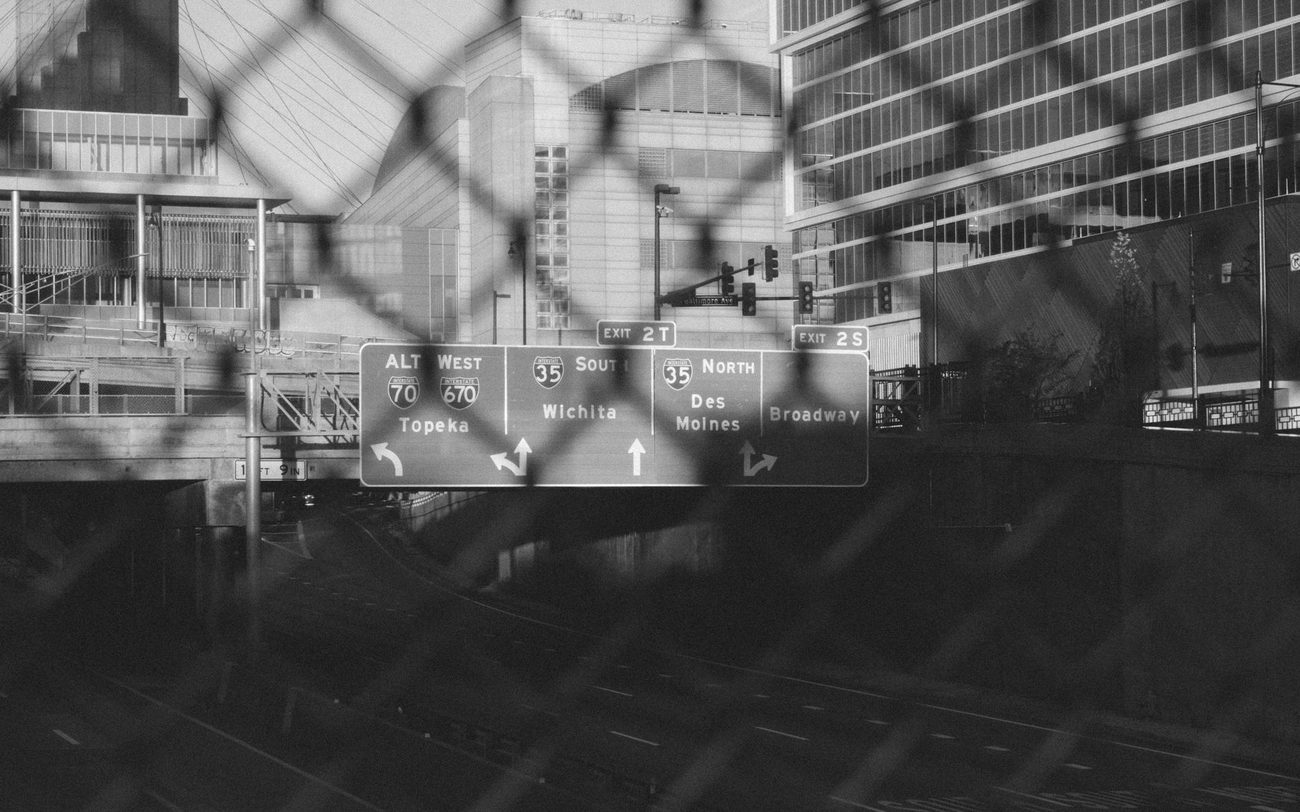
The sign at one exit on I-95 said $3.09. Two exits south it said $2.79. Same road, same Tuesday afternoon, about nine miles apart. I had my receipt book out before Wes finished saying "huh."
That 30-cent swing is not unusual where we live. We're about ten minutes from I-74 and 25 minutes from I-95, and most of our weekend trips start on one or the other. After five months of writing down every fill-up, I've got a pretty good idea where the cheap gas is and where it isn't.
Checking before we leave
The night before a trip I look at a gas price app on my phone. I don't trust it completely, because the prices are only as fresh as the last person who reported them, but it shows the pattern. I look at three places: near home, the first stretch of interstate, and the town we're headed to.
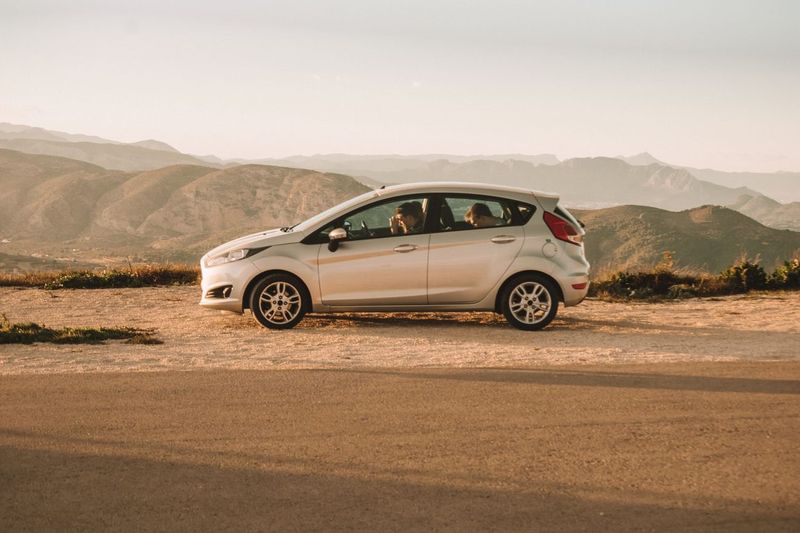
Then I decide where we'll fill up. The CR-V has a 14-gallon tank and gets about 31 miles per gallon on the highway, so a full tank is good for roughly 400 miles before I get nervous. Most of our trips are under 250 miles each way, which means one stop, and we get to pick it.
Wes would prefer we just fill up when the light comes on. I've explained that the light coming on is how you end up buying gas at the most expensive exit in the state.
The stretches we know
A few things have held true all year:
- Gas around Lumberton, right off I-95, is usually among the cheapest we see. Lots of stations close together means they compete, and they have to keep the truckers.
- Heading south, the first exits in South Carolina are often a little cheaper again. South Carolina's gas tax is lower than ours, and on the Myrtle Beach trip in April we saved about 12 cents a gallon by waiting until we crossed the line.
- On I-74 going west, Laurinburg and Rockingham run about the same as home. Once you get closer to Charlotte the prices climb, so for the Lake Norman day trip in July we filled up in Rockingham on the way out.
- Wilmington is fine, but the beach towns are not. On the Kure Beach trip in March gas was 20 cents more down by the water than in town.
The exits we skip
We skip the big travel plazas right at the interstate interchanges with the giant signs, unless the app tells me otherwise. They're clean and the bathrooms are nice, but they're often the priciest stop for 20 miles. We also skip the last station before a beach bridge and anything inside a tourist strip.
We don't drive more than about five minutes off the interstate for gas, though. On a 14-gallon tank, a 30-cent difference is $4.20. If it costs us 15 minutes and a mile or two of town driving to get it, that's not much of a win, and Wes starts looking at his watch. My rule for motels is 15 minutes out of the way for a fair price. For gas it's five.
I went back through the receipts. Since March we've filled up for trips nine times. On average I paid about $2.91 a gallon when the price at the first station we'd have hit without planning was about $3.06. Fifteen cents a gallon on about 80 gallons is $12 in five months. It's not going to pay for a beach house.
But $12 is a plate of shrimp at a fish shack, or the park entry fees for a couple of weekends, and it costs me ten minutes the night before. I'll take that trade every time.
The real savings, honestly, is not buying gas at the worst possible place because we ran low at the worst possible time. That's where people lose 40 or 50 cents a gallon: a nearly empty tank, a long dark stretch of road and one station with a light on.
Next weekend we're headed to Charleston, and the plan is already written on the trip envelope: fill up in Lumberton on the way out, top off in South Carolina on the way home, and don't stop in between unless somebody needs a bathroom. Somebody usually does.