The new trip envelope for 2026 has "$3,000" written on the front in red marker, and underneath it, four smaller numbers. I wrote them at the kitchen table on a Sunday night in January while Wes was asleep in the recliner with the TV on. They've been taped to the inside of the kitchen cabinet ever since.
January is our no-trip month, and that's when I do the planning. Last year we took 12 trips from February through December and spent $2,968, an average of about $247 a trip. We drove about 5,900 miles. We stayed under our $300 target on all but three trips. Now I have a whole year of real receipts, so for the first time the budget is based on numbers instead of hope.
Where the $3,000 comes from
The trip account gets $250 automatically on the first of every month. That's $3,000 a year, and that's the budget. We don't add to it from checking, and if we don't spend it, it rolls into next year. My raise at the office in January went to the emergency fund, not the trip account. We decided that a long time ago: trips get the $250 and nothing more.
The four lines
I looked at what each part of last year actually cost, then adjusted for what I expect this year:
- Gas: $720 (about $60 a trip). Last year was a little less, but I'm planning on gas prices going up some and one longer drive in the summer.
- Beds: $1,320 (about $110 a trip on average). Some trips cost nothing because we stay with my brother Darren or camp, and that leaves room for one or two nicer places.
- Food: $660 (about $55 a trip). This line crept up all of last year, so I gave it a little more room and set a daily limit: $25 a day for the two of us, plus one sit-down supper per trip.
- Admission and parking: $300 (about $25 a trip). Most of what we like is free, but the mountains and the bigger cities have parking costs, and a couple of trips will have tickets.
Add those up and it's exactly $3,000. Twelve trips, an average of $250 each.
Month by month
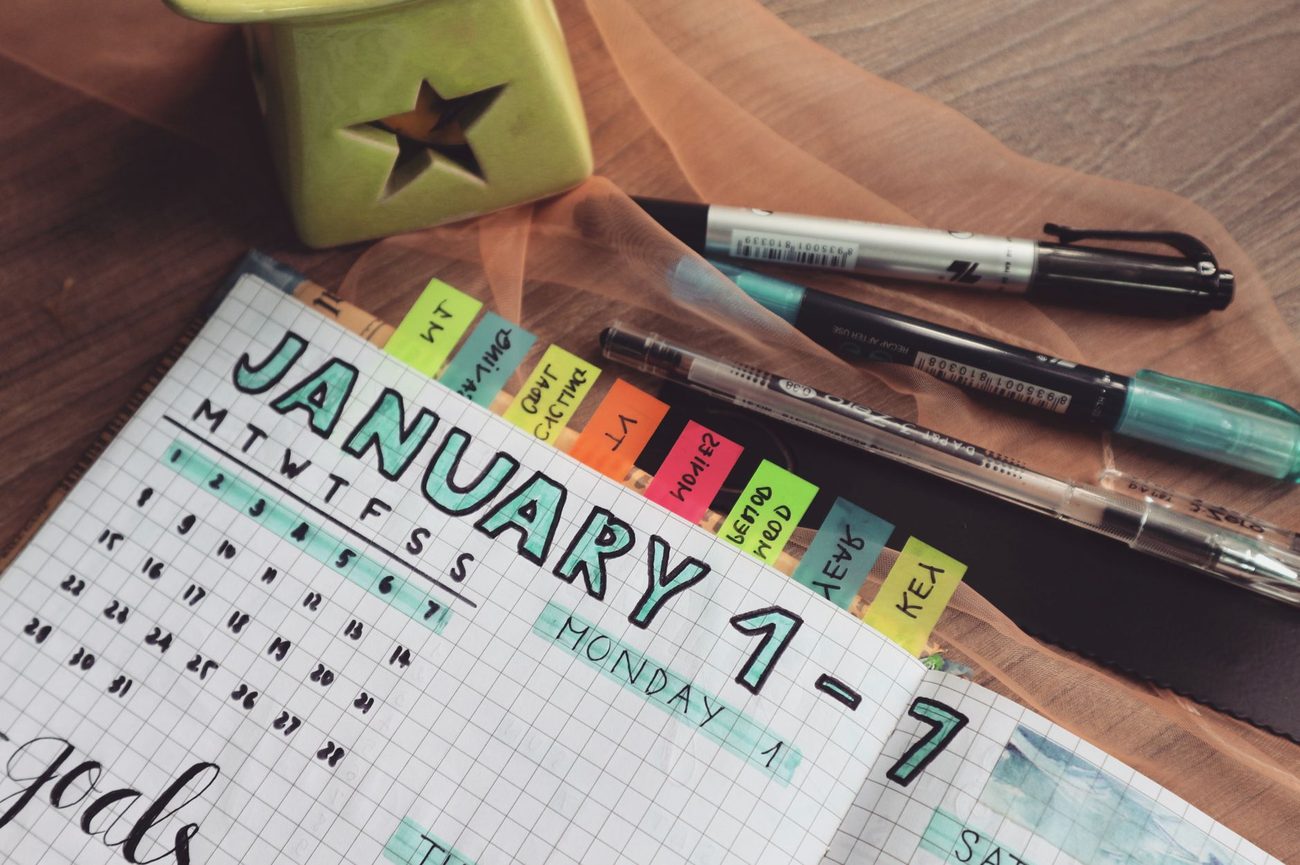
I sketched out the year in pencil. Pencil, because plans change and I'm not going to pay for a new envelope.
February is already done: Valentine's weekend at Darren's in Wilmington, on his couch, which cost us mostly gas and a supper. That gives the rest of the year a little cushion.
March is a cheap city weekend. Raleigh has state museums that don't charge admission, and a hotel outside the city should be reasonable. April is the mountains, and I want it to be Asheville. The area is still recovering from Helene, and the best thing we can do is go, spend money in town and check road status before we leave.
May and June are open, with one beach trip somewhere in there. Late June into July is Lumbee Homecoming in Pembroke, which is a stay-home week for us every year: family, food, the parade, everybody coming back home. July gets something short and close, probably a state park.
August is the one big trip. I've set aside about $850 of the $3,000 for a few nights on the Outer Banks, after last year's cottage got cancelled by a storm. That means some other months will have to be very cheap. September through December are open, with one more Christmas-lights trip in December like last year, which is how we get to 12.
Same as last year, mostly. Fridays through Sundays, because we both work four long days Monday through Thursday. Within about four hours' drive. Paid only from the trip account. If a trip is going to go over $300, it has to be planned months ahead and another trip has to come in under.
The one new rule: if a month's trip comes in cheap, I write the leftover on the front of the envelope and it goes toward August. I call it the Outer Banks jar, even though it's not a jar, it's a line on an envelope.
His only request for 2026 was that we "go somewhere with a good fish fry." I told him that's half the state. He said that's why it's an easy request.
I'll post an update in a few months with how the real numbers compare. If last year taught me anything, it's that the food line will try to sneak up on me again.