The rental agreement was eleven pages long. I printed it at the dental office on my lunch break, took it home and spread it across the kitchen table next to the atlas, a highlighter and a glass of sweet tea. Wes walked through, looked at the stack and said, "You know it's a beach house, not a mortgage." Then he went outside to check the tire pressure.
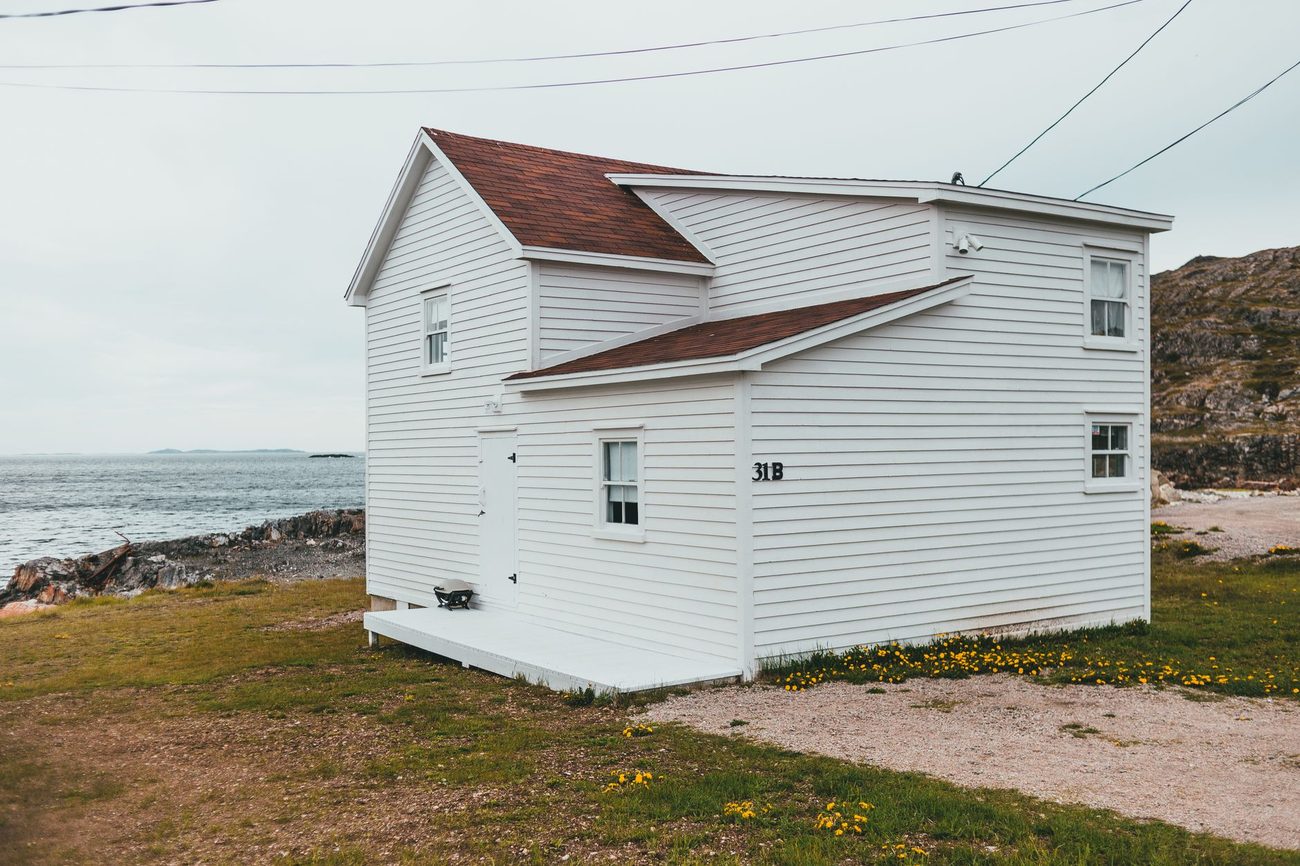
We've booked three nights in a cottage in Rodanthe, on the Outer Banks, for the last weekend of September. It's $780 total, which is the most we've paid for lodging on any trip so far this year, and the full amount was due up front. That's exactly the kind of trip I said back in June might be worth insuring. So before I clicked pay, I read the whole thing.
I'm going to describe this in general terms, because every rental company writes its own agreement and yours will be different. Ours worked roughly like this:
Cancel early and you can get most of your money back, less a fee. Inside a certain window before arrival, you don't get anything back unless the company manages to re-rent the dates. Weather by itself, meaning rain, wind or a gloomy forecast, isn't a reason for a refund. If you leave early because you don't like the weather, that's on you.
Then came the storm section, which was the part I really wanted to understand.
The storm and evacuation rules
The agreement explained what happens if local officials issue a mandatory evacuation order for visitors. It also offered us a travel insurance policy through the rental company, and made it pretty clear that if we turned that policy down, we'd be taking more of the risk ourselves if a storm disrupted the stay. I read that paragraph three times. In plain words, the company was telling me to read the insurance terms and make a real decision, not just click past it.
So I read the policy summary too. A few things stood out:
- It was trip cancellation and interruption coverage, meaning it would pay back prepaid costs if we had to cancel before going, or the unused nights if we had to leave early, for reasons the policy listed.
- A mandatory evacuation order at the destination was one of those listed reasons. So was a covered illness or injury for either of us.
- Storm coverage only applied if the policy was bought before the storm was named. Once a storm has a name, it's considered a known event.
- It was not "cancel for any reason." If we just changed our minds, it wouldn't pay.
The price was $57. Against $780 of rent we couldn't get back, that's a little over seven percent.
Why we said yes
Late September is the busy end of hurricane season, and Rodanthe sits on a narrow strip of sand with one main road in and out. It doesn't take a big hurricane to close that road or bring a visitor evacuation. I'd rather spend $57 now than be the person refreshing the weather map in two weeks wondering if a storm still has a number or already has a name.
The second reason was timing. Because storm coverage depends on buying before a storm is named, the cheapest moment to decide was the day we booked, when the tropics were quiet. If we waited until something formed, the policy would no longer help with that storm.
We paid the $57 separately from the trip budget. I'm counting it on its own line rather than mixing it into the cottage cost, so I can see over time what insurance actually costs us compared with what it ever pays back.
What I'd tell myself next time
Print the agreement. Read the cancellation section and the storm section separately, because they're often two different sets of rules. Find out exactly what triggers a refund, whether it's a voluntary evacuation, a mandatory one, or nothing at all. Note how soon after booking any optional coverage has to be bought, because some of the better options are only available for a short window after your first payment.
And if a rental company offers a policy, read its summary rather than assuming it does what you'd like it to. Ours did mostly what I hoped. That won't always be the case, and I'm not an insurance person, so check your own.
Now I'm going to put the agreement in the trip envelope, cross my fingers for a quiet September and start looking up which lighthouses we can see from Rodanthe.