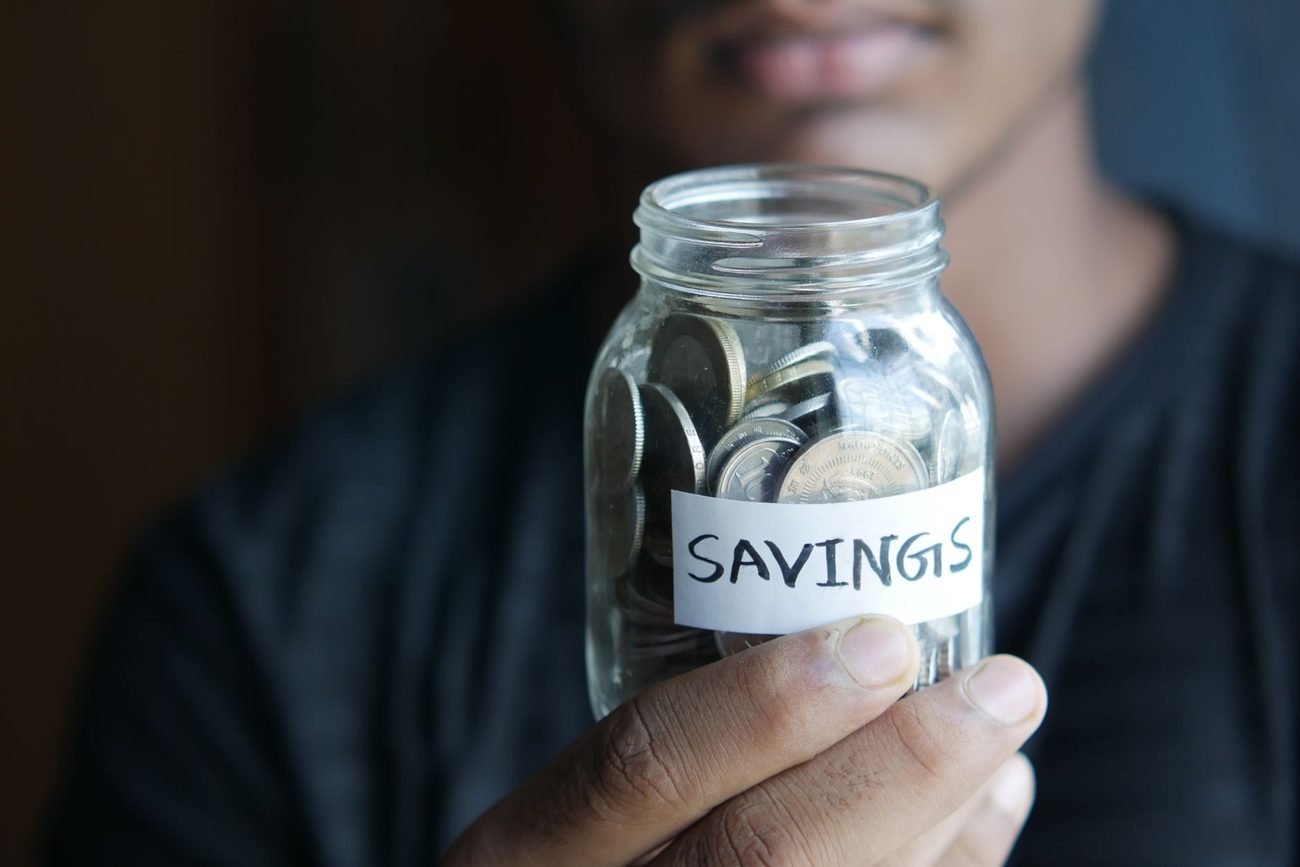
On the first of every month, a little before six in the morning, my phone buzzes with a one-line notice: $250 has moved from checking into savings. Wes is already at the shop by then and I'm usually standing at the counter with my coffee, and I'll admit that small buzz has become one of my favorite parts of the month. It means another weekend is paid for before we've even picked where it goes.
That account is the whole engine behind this blog, so I want to explain how it works and why we set it up the way we did.
In 2024 we spent about $2,900 on two "real" vacations: a week in a Myrtle Beach high-rise in July and a cabin in Gatlinburg in October. Both were nice. Sitting at the kitchen table in January, though, we tried to remember what we'd done on either one and came up with a sunburn, a hot tub and a very long line for pancakes. That was a lot of money for a few blurry memories.
So we made a different plan for 2025. One cheap trip a month, February through December, mostly within four hours of home, Friday to Sunday so we can use the three-day weekends our jobs already give us. January is the no-trip month. The target is under $300 a trip, all in. And every dollar comes from one place.
The setup
On January 1 I opened a plain savings account, separate from our joint checking and separate from our emergency fund. I'm not going to name the bank, because it honestly doesn't matter much. What mattered to us was that it had no monthly fee, no minimum balance we'd trip over, and that transfers between it and checking were free and showed up by the next morning.
Here's what the account looks like in practice:
- $250 transfers in automatically on the 1st, every month, from checking. We set it once and haven't touched it.
- Trip costs go on our everyday cash-back card, and when we get home I add up the trip envelope and move that exact amount from the trip account back to checking to pay the card.
- If a trip comes in under budget, the leftover just stays put and rolls forward.
- Nothing else gets paid from it. Not groceries, not a vet bill, not a birthday present.
So far that means $750 has gone in for January, February and March. Our first trip, to Wilmington and Kure Beach at the end of February, cost $212 because my brother Darren let us sleep on his couch. That leaves $538 sitting there as I write this, which already feels like a cushion for April.
We never borrow from it. Not "borrow and pay it back next week." Not ever.
I work the front desk at a dental office, and a big part of my day is watching how money moves when people don't plan for it. I'm not saying that to judge anybody. I'm saying I've learned that "I'll put it back" is one of the easiest promises in the world to make and one of the hardest to keep. If the trip account turns into a second checking account, the trips stop being free and start being one more thing we feel guilty about.
The flip side of that rule is that real emergencies don't come out of the trip account either. If the heat pump goes or the CR-V needs something big, that's what the emergency fund is for. Keeping those two jobs apart is the point. The trip money can't rescue the house, and the house can't raid the trip money.
Wes's contribution to this whole system was one sentence when we sat down to set it up: "If it's not in there, we're not going." He said it like it was obvious, and I guess it is.
Why a separate account and not just a budget line
I tried tracking trip money as a category inside our checking account first. It lasted about three weeks. The number was always technically there, but it was mixed in with the light bill and the mortgage, and every time I looked at the balance I had to do math in my head to figure out what was actually ours to spend on a motel.
A separate account removes the math. When I open it, the number on the screen is the number we can spend on weekends. If I'm planning April and it says $538, I know a $79 motel room in Myrtle Beach is fine and a $289 downtown hotel anywhere is not.
It also earns a few dollars of interest, which is nice, but that's not why it exists. It's a fence, plain and simple.
If you're thinking about doing something like this, I'd say the amount matters less than the habit. Pick a number you won't miss, set it to move on its own, and decide ahead of time what that money is never allowed to be used for. Ours is $250, and so far it's been plenty.