Sunday evenings at our house smell like pinto beans. The pot goes on the stove around four, with a ham hock if I have one and an onion if I don't, and it simmers while I unpack the cooler from whatever weekend we just had. By Monday morning there's a container of beans in each of our lunch bags and a bigger one in the fridge for Tuesday.
That pot is how the whole trip plan works, even though it never shows up in a trip budget.
Wes and I both work four ten-hour days. I'm at the dental office in Laurinburg from 7:30 until 6, and Wes is at the shop from 6 in the morning until 4:30. By the time I'm home on a Tuesday night, the easiest thing in the world is to call in an order or swing through somewhere in Laurinburg on the way.
Before we started our trip rule, we did that two or three nights a week. I looked back through our card statements last winter, and takeout and quick suppers out were running us around $280 to $320 a month. That is more than the $250 we now move into the trip account on the first of every month.
We didn't take that money and pour it straight into the trip account. The $250 is fixed and comes out automatically either way. But cooking at home is what lets the transfer go through without me sweating it, and it's what keeps us from raiding the trip account when the electric bill runs high in August. The trip money stays trip money because the grocery money stretches.
Our weeknight rotation
None of this is fancy. It's what my mother cooked, what Wes's mother cooked and what we can make on a Sunday or in thirty minutes after a long day.
- Pintos and cornbread. The Sunday pot. Beans for lunches Monday and Tuesday, beans with rice and hot sauce for one supper.
- Chicken bog. Chicken, rice, smoked sausage and black pepper, cooked in one pot until the rice is soft. One big pot feeds us two suppers and a lunch.
- Breakfast for supper. Eggs, grits and whatever sausage is on sale. About fifteen minutes.
- Leftover night. Thursday is whatever is left in the fridge, because Friday morning we're often pulling out.
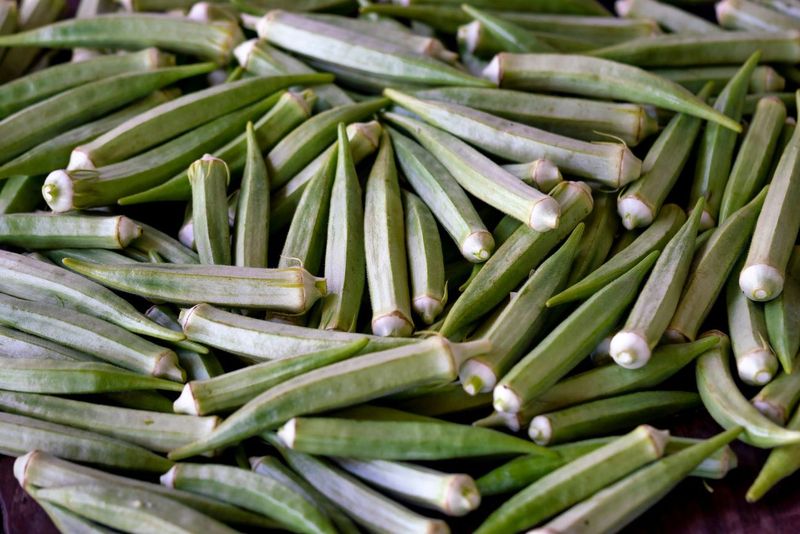
Sometimes I swap the chicken bog for a pot of vegetable soup or spaghetti, and in the summer there's a lot of tomato sandwiches and stewed okra from the garden. But that's the backbone.
About the cornbread: Wes's mother Shirley has never fully approved of mine. Hers is made in a cast-iron skillet that has been in that family longer than I have. I make mine in a skillet too, but I don't put enough grease in it according to her. Wes eats it either way and has wisely never taken a side.
What it costs to eat in
Our grocery bill for two runs about $110 to $130 a week right now, including lunches. A pot of pintos with a ham hock and a pan of cornbread is maybe $7 and lasts three meals for two people. Chicken bog with a family pack of thighs and a pound of sausage is around $14 and feeds us three times. Breakfast for supper is a few dollars.
Compare that to the $28 to $35 we used to spend on a single takeout night for two, and the gap gets wide fast.
How the kitchen helps on the road too
The weeknight cooking carries right into the weekends. If I make a double batch of chicken bog on Wednesday, half of it goes in a container in the cooler for Friday night at a motel with a microwave. A loaf of bread, peanut butter and a bag of apples handles a couple of breakfasts. That's a big part of how we've eaten on the road for about $25 a day for two on most trips this year.
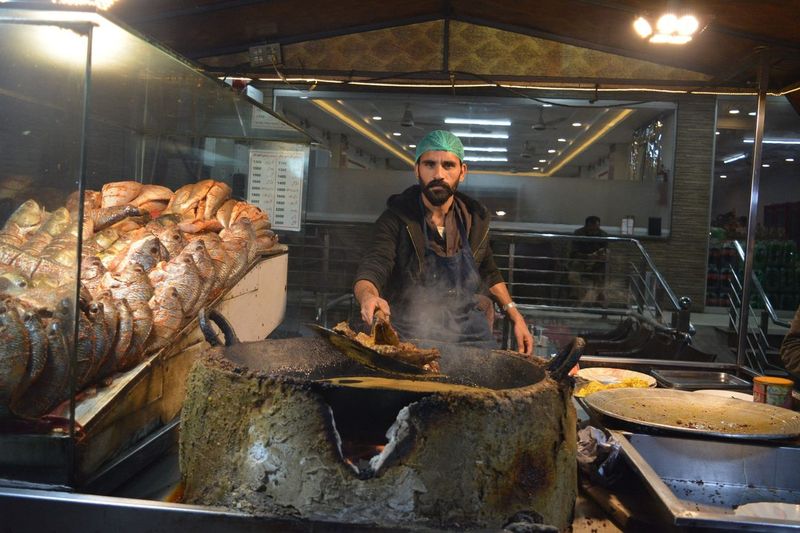
We still eat out on trips, on purpose. A fish supper at the coast or a plate of barbecue in a small town is part of why we go. But because we're not spending $300 a month eating out at home, a $30 fish supper on a Saturday night feels like a treat instead of one more charge on the card.
Next weekend is a big one for us, Wes's birthday trip to the Smokies, and it'll be the most expensive trip of the year. So this week it's beans, bog and eggs. Wes asked last night if we could have something different. I told him we could have the beans with cornbread or without.