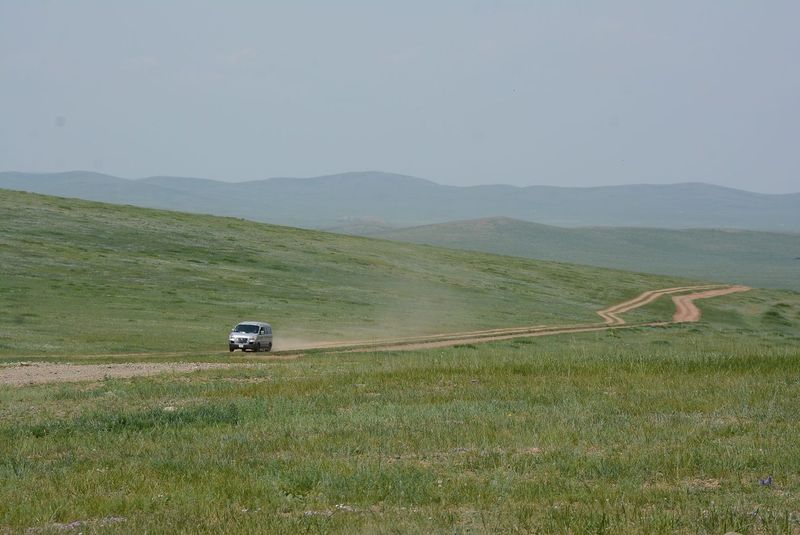
The CR-V rolled over 125,000 miles on US-401 coming back from the Raleigh museums two weeks ago, and I made Wes pull into a church parking lot so I could take a picture of the odometer. He did it, and he also used the stop to tell me that the maintenance list was waiting for us at home. He was right. It had been waiting since about 120,000.
Here's what the schedule called for, what Wes did himself in the carport over two Saturdays, and what we paid a shop to do.
Our 2017 CR-V uses Honda's maintenance reminder, which shows codes on the dash based on how the car has actually been driven, rather than one fixed list for every car. Between the reminder and the owner's manual, here's what was due or close to it around this mileage:
- Spark plugs (the long-life kind, due around the 100,000-mile range, and ours were overdue)
- Transmission fluid for the CVT
- A look at the front brakes, which Wes had been measuring for months
- A check of the drive belt, the one that runs the alternator and AC compressor
- Engine air filter and cabin air filter
- The usual tire rotation with the oil change
Our engine has a timing chain, not a timing belt, so the big, expensive belt job some cars need around 100,000 miles doesn't apply to us. I didn't know that until Wes explained it with a salt shaker and a rubber band at supper.
What Wes did in the carport
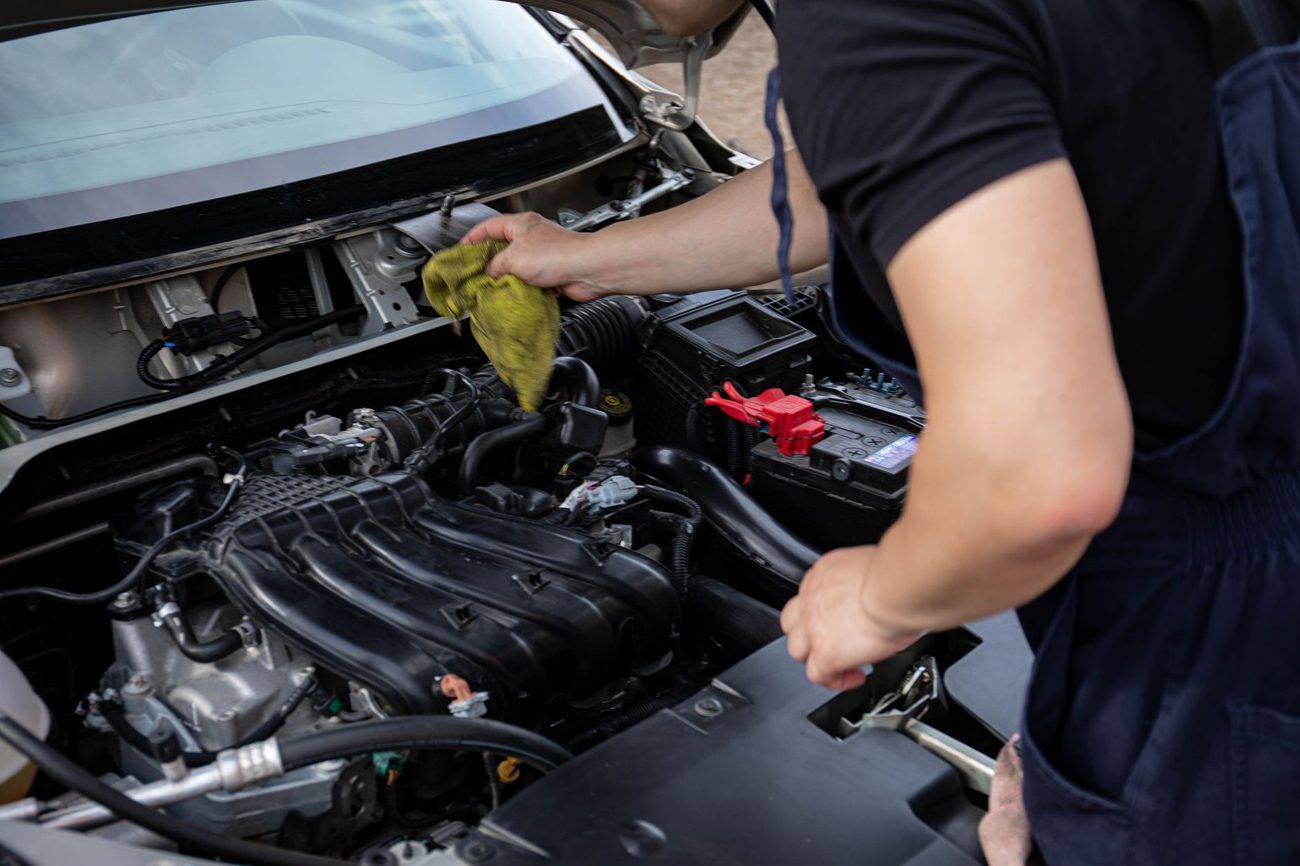
Spark plugs: $62 in parts. Four iridium plugs from the parts store. On our engine, the plugs sit under the ignition coils on top of the engine, so it's mostly patience and a torque wrench. He took one out at a time so nothing got mixed up. About an hour, including the time he spent looking at the old plugs and announcing that they "looked their age."
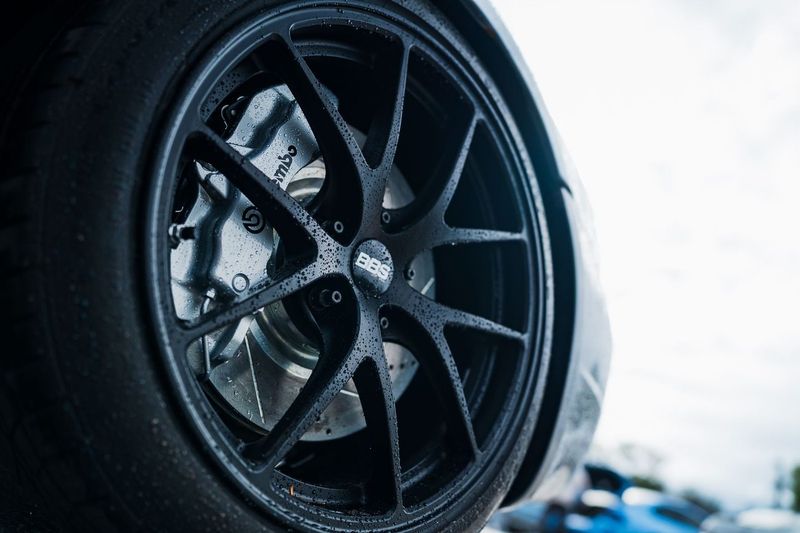
Front brake pads: $58 in parts. He'd been measuring the front pads during his pre-trip checks, and they were getting thin. He replaced the pads, cleaned and greased the slide pins, and checked the rotors, which still measured within spec and didn't need replacing. The rear pads had plenty left. This is the work he does all day on tractor-trailers, just a lot lighter.
Drive belt check: free. He looked for cracks, glazing and fraying, and checked the tensioner. All fine for now. It goes on the list for another look at 130,000.
Air filters: $31. Engine filter and cabin filter. Ten minutes for both, and I did the cabin one again, since I'm now the household expert on what's behind the glove box.
What we paid a shop to do
CVT fluid change: $179. Wes could do it, but he chose not to. The CVT takes Honda's specific fluid, and checking the level correctly involves getting the fluid to a certain temperature with the car level. A shop with a lift and the right equipment can do it properly in less than an hour. Wes's view is that the transmission is the most expensive thing on this car, so he'd rather pay someone set up for it. I had no argument.
The total, and how it compares
Parts for the work Wes did came to $151. The shop charged $179. So the whole list cost us $330. I called the same shop for a quote on the plugs and front brakes too, just to know, and they would have been about $520 more with labor. We spent two Saturday mornings instead.
None of this came from the trip account. Maintenance is household money in our house, and the car's bills this year have been steady: tires in October, the battery in December, now this. I'm keeping all of it in the notebook in the glove box, with the date and mileage on every receipt.
The reason we keep up with it is simple. We drive this car about 1,000 miles a month, and three weekends out of four it's taking us somewhere four hours away on roads I don't know. Next month it's taking us to Asheville. I'd like it to bring us home again too.