On the way home from Charlotte at the end of August, the CR-V's odometer was a few hundred miles short of 131,000, and Wes said out of nowhere on I-74, "It's got two more years in it, easy." I said I'd want that in writing. So a few Sundays ago, with a pot of coffee and the notebook from the glove box, we did the math at the kitchen table.
The car is at about 131,500 miles this week. We bought it used in 2020 with 41,000 on it, so we've put on over 90,000 ourselves. Here's how we decided.
I went back to March 2025, when this blog and our trip rules started, and added up every dollar the car took that wasn't gas or insurance. Wes's oil changes are estimates, since the receipts are a pile of $38s.
- AC service port leak, July 2025: $165
- Four tires, October 2025: $684
- Dead battery in Southern Pines, December 2025: $75 jump, $189 battery
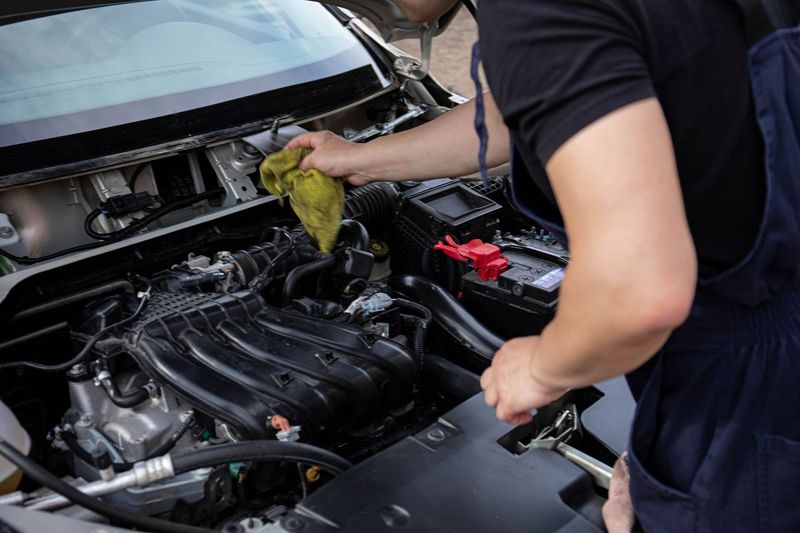
- 125,000-mile work, March 2026: spark plugs $62, front pads $58, CVT fluid $179, filters $31
- Wheel bearing, May 2026: $486
- Oil changes, about four: roughly $150
That's a little over $2,000 in eighteen months, or about $1,400 a year. And some of it, like the tires, any car would need eventually.
What a newer car would cost
We looked at a newer used CR-V, a few years old with maybe 30,000 to 40,000 miles. After the trade-in value of ours, we'd be borrowing enough that the payment came out to about $480 a month for five years. That's $5,760 a year before anything else.
On top of the payment, a newer car would cost more to insure. Our auto policy already went from $1,962 to $2,118 this spring, and that was with the same car. A newer one would cost more, plus higher property tax on the car.
So it's roughly $1,400 a year in repairs against about $5,760 a year in payments. Even if the CR-V needed twice as much next year, keeping it would still cost us thousands less.
What we did instead
We started a separate car repair fund in late May after the wheel bearing. It reached $1,000 by early August, and now it holds steady with a small transfer every month. When something breaks, the money's already there, and it doesn't touch the trip account or our emergency fund.
Wes also keeps up the maintenance as if we're keeping it forever: oil every 5,000 to 6,000 miles, the pre-trip check before every weekend, the CVT fluid on schedule. The cheapest car to own is usually the one you already have, as long as you take care of it.
What would change our minds
We agreed on a few lines we wouldn't cross:
A transmission failure. The CVT is the one big-ticket part on this car. If it fails, the repair could run several thousand dollars. On a car this age, that's when we'd seriously consider replacing it instead.
Rust in the wrong places. We don't get road salt here, which helps, but Wes looks at the subframe and brake lines every time the car's up on the ramps. Structural rust would end things.
Safety. If either of us stopped trusting the car on a two-lane road at night, that would be enough by itself.
Repairs piling up. If repair bills started running past about $3,000 a year for two years in a row, we'd sit down and do this math again.
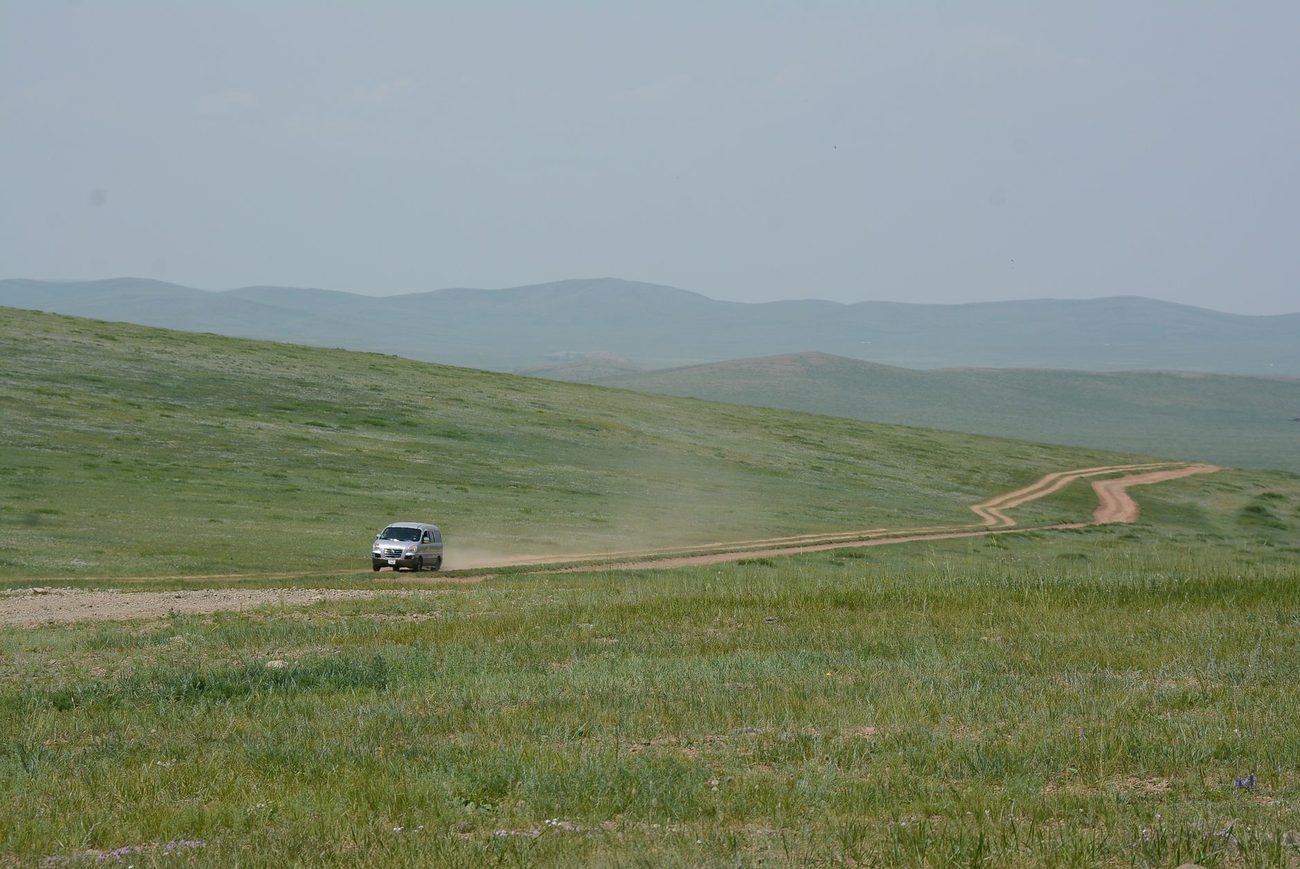
None of those have happened. The engine runs well, the transmission shifts smoothly, the body's straight, and the car still gets about 31 mpg on the highway. That matters, because since March 2025 it's carried us on 21 trips and about 10,800 trip miles, at about $283 a trip.
So the plan is two more years, then we'll look again. Wes says the car could easily do more than that. I said I'd put it in writing, and here it is.