Last September, our Rodanthe cottage got cancelled two days before we were supposed to leave because a tropical storm brought an evacuation order for visitors on Hatteras Island. We were fine. We were home near Maxton with our bags half packed. But I kept thinking about the people who were already on the island that morning, all trying to get off on one road at once.
That's when I started the kit. Since the first of June, it rides in the CR-V's cargo area from the start of hurricane season until it ends on November 30. We've taken it to Myrtle Beach, Lake Waccamaw and back. In two weeks it goes with us to Southport, then to the Outer Banks in August.
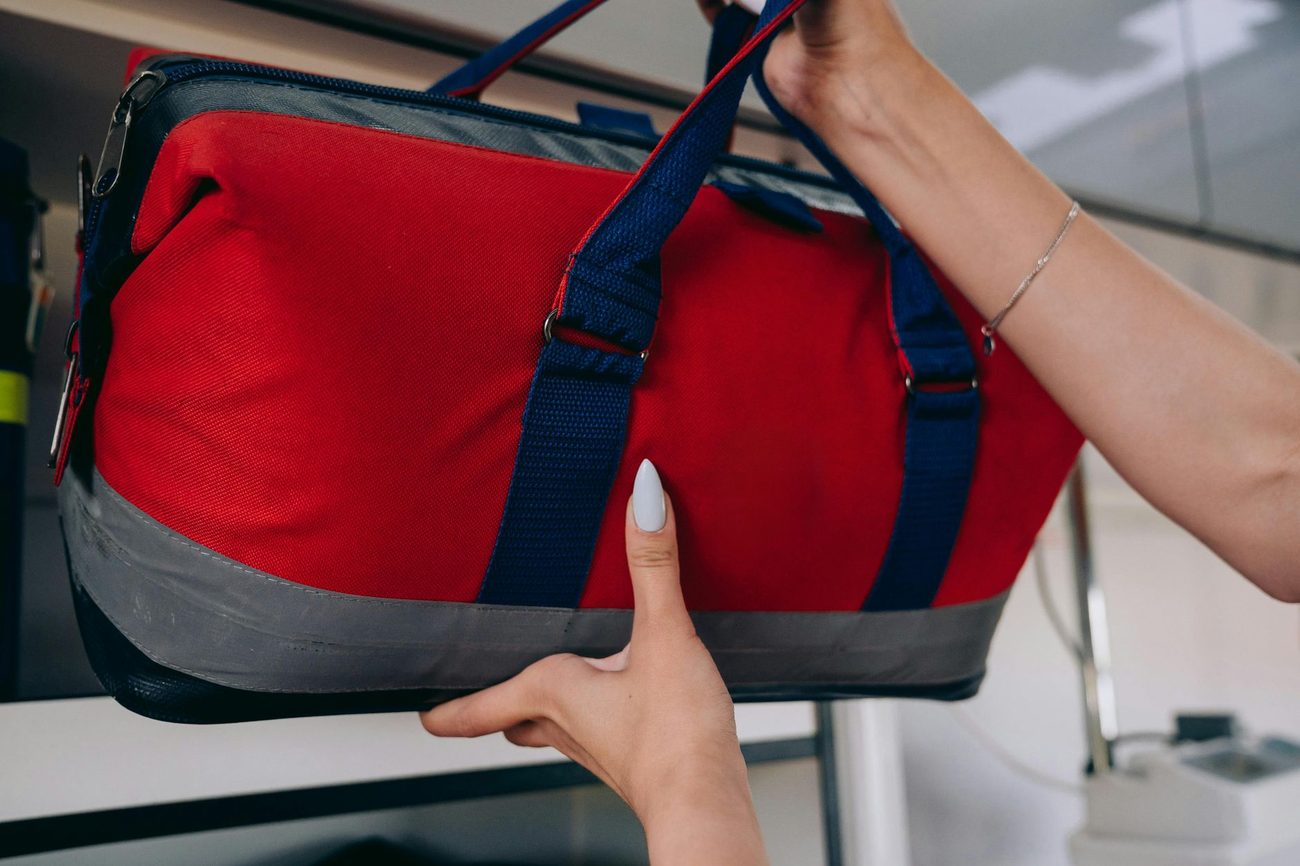
Everything fits in one medium plastic bin with a lid, plus a case of water beside it. The goal is to get us through a long, slow evacuation drive, a night in a shelter or a parking lot, or a few hours on the shoulder with no cell signal.
- A case of 24 bottles of water, plus a gallon jug: about $7
- A battery pack that charges both our phones, and two charging cables: about $25
- A paper road atlas of the Carolinas (we already own one; this is the backup in the bin) and a state highway map: free from a welcome center
- Copies of our documents in a zip-top bag: driver's licenses, the car registration, insurance cards, our health plan cards, the first page of the homeowners policy and a list of phone numbers on paper
- A headlamp and a flashlight with spare batteries: about $16
- Peanut butter crackers, granola bars and a jar of peanuts: about $9
- Two ponchos, a small first-aid kit, a roll of paper towels, wet wipes and a few trash bags: about $12
- $60 in small bills in an envelope taped inside the lid
- A small bag of dog food and a collapsible bowl, for the trips June comes on
Not counting the cash or things we already owned, the kit cost about $69. We paid for it out of the trip account in June, because it's for trips. That pushed June's spending up a little, and I'm at peace with it.
Why paper
When a storm is coming, cell networks get crowded, and when it arrives, towers lose power. Phone maps also love to send everyone down the same "faster" route. The paper atlas shows us every two-lane road between the coast and home. I've spent years riding with it open on my lap, so I can actually read it. Wes calls me the map reader. I'm also the planner. He drives.
The document copies are about getting back in and getting paid. After a storm, some beach towns check IDs at checkpoints before letting people back across the bridges, and if you have a claim to make, having your policy numbers and agent's number on paper in your car beats having them on a laptop in the house. When our Rodanthe cottage claim went through last fall, the thing that made it easy was having the paperwork together in one place.
Keeping it from going bad in a hot car
A car's cargo area in July gets well over 100 degrees. That's hard on a few things.
Water in plastic bottles sitting in the heat for months doesn't taste great, so I swap the case at the start of each month. The old case goes in the house for us to drink, and a fresh one goes in the car. Same with the crackers and granola bars: they get eaten on trips and replaced, which is the point anyway.
Batteries don't love heat either. The battery pack comes inside after each trip and gets charged, then goes back in the bin before we leave. Wes checks the flashlight and headlamp on his pre-trip check, right after the tire pressure.
The documents I update when anything changes. Our auto policy renewed in March, so the March copies went in.
The rest of the plan
The kit is the easy part. The bigger habit is watching the tropics before every coast trip from June through November, reading the cancellation rules before we book, and keeping the gas tank above half on the drive. When a storm is coming, the gas lines start early. We're also buying a trip policy for the Outer Banks again, which I'll write about separately.
The kit comes out of the car on December 1. Then it goes on a shelf in the shed, with a note on top that says June.