The Thursday night before we left for Wilmington back in February, Wes walked out to the carport at 8:30 with a flashlight in his teeth and a tire gauge in his shirt pocket. I figured he'd be five minutes. He came back in at 8:46, wiped his hands on the dish towel I'd told him not to wipe his hands on, and said the car was ready.
I asked what exactly he'd done for sixteen minutes. He told me. I wrote it down on the back of an envelope, and that envelope is now a laminated card in the glove box of our 2017 CR-V. With the Myrtle Beach weekend coming up next Friday, I figured it was time to share it.
Some background: Wes is a diesel technician. He spends four ten-hour days a week doing brakes, engines and DOT inspections on tractor-trailers, so he looks at a vehicle the way I look at an insurance form at work. He's not looking for what's right. He's looking for what's about to go wrong. Our CR-V had about 113,000 miles on it this week, and at that age, a quick look before a 300-mile weekend is cheap insurance of the free kind.
The list on the glove box card
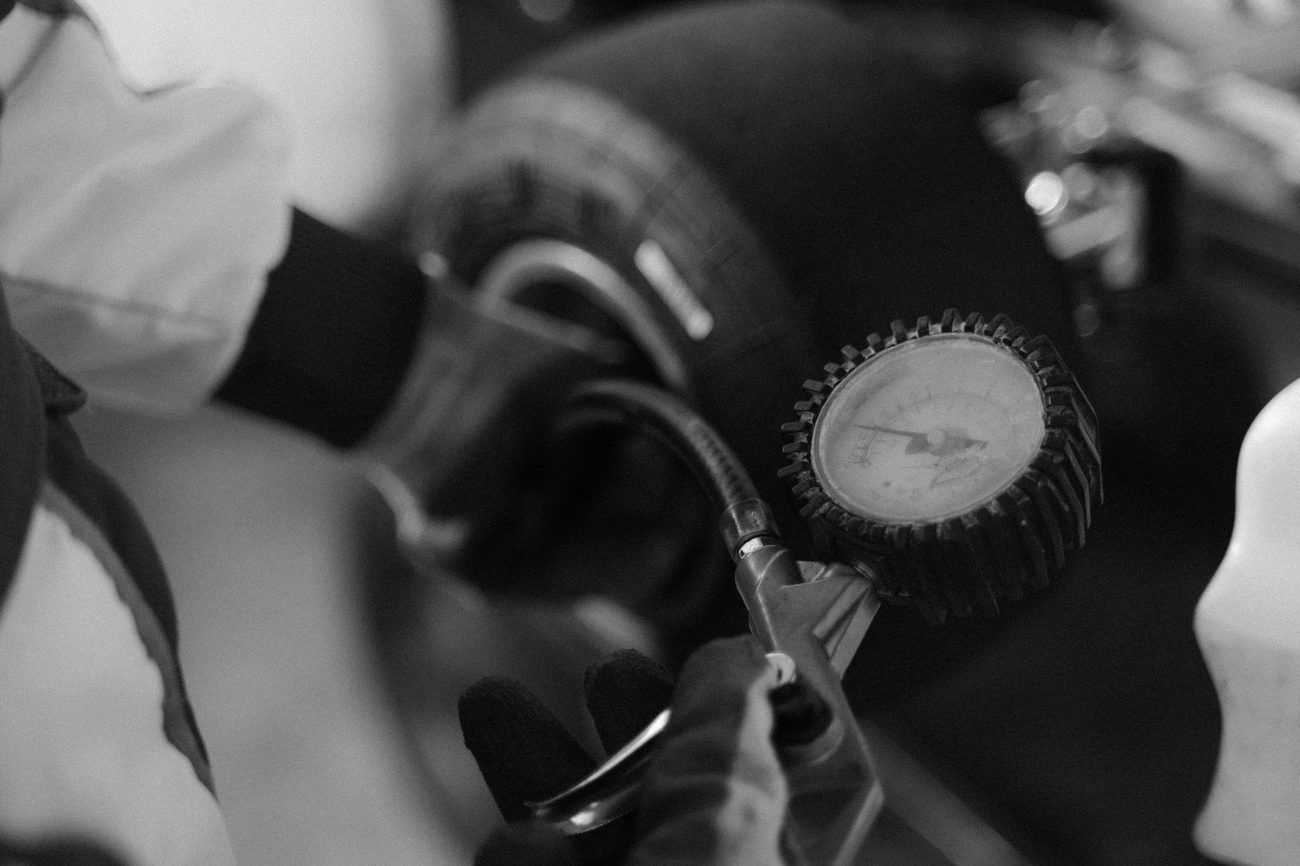
- Tire pressure, all four, cold. Before the car has been driven, using the number on the sticker inside the driver's door, not the number on the tire sidewall (that's the maximum, not the target).
- The spare. Ours is the small temporary kind under the cargo floor, and it wants 60 psi, a lot more than the regular tires. Wes says nobody ever checks it until the night they need it.
- Tread. A penny or a cheap tread gauge across the inside, middle and outside of each front tire. Uneven wear means something is out of line.
- Oil level and color. On level ground, engine off a few minutes, dipstick wiped and checked twice.
- Coolant and washer fluid. Coolant between the lines on the overflow tank, only when the engine is cold. Washer fluid topped off, because the lovebugs and the beach both find you.
- Wiper blades. Lift them and run a finger down the rubber. Cracked or chewed edges get replaced.
- Lights. Headlights, high beams, brake lights, turn signals and the reverse lights. This is where I come in, standing behind the car saying "yes" and "yes" and "no, the other one."
- A walk around and a look underneath. Drips on the carport slab, anything hanging, a nail in a tread.
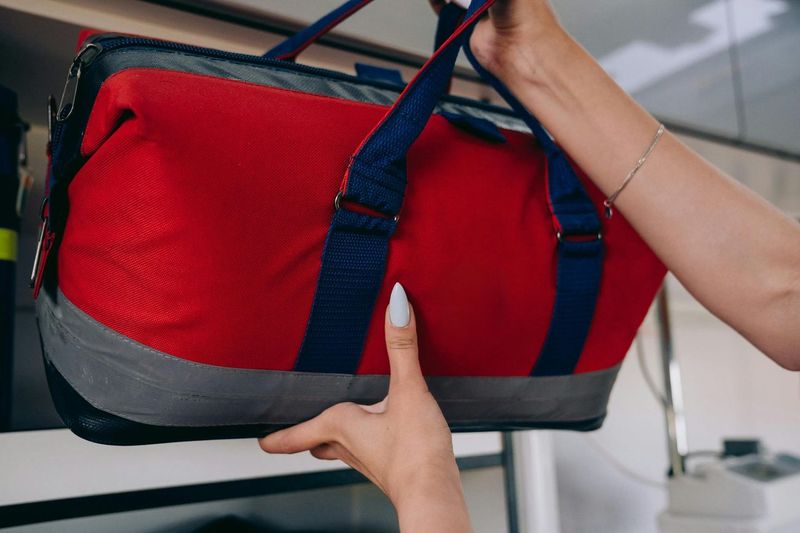
- The kit. Jumper cables, a flashlight that works, the jack and lug wrench where they belong.
Why each one earns its minute
Tire pressure is the one he cares about most. A tire that's five or six pounds low on a hot day on I-95 runs hotter, wears the edges and costs you gas. The CR-V gets about 31 mpg on the highway when everything is right. I'm not going to pretend I've measured how much a soft tire costs us, but Wes says it's never zero, and I believe him more than I believe the little dashboard light, which only comes on once things are already pretty low.
The spare is on the list because of a story from the shop. One of the drivers had a flat on a Sunday, got the spare out, and it was flat too. It had been sitting under the floor for six years. Wes checked ours in February and it was at 38 psi. It's back at 60 now.
The lights check is the part that caught something. In February the left rear brake light was out. A bulb from the auto parts store in Laurinburg cost $6 and took him four minutes. A ticket, or somebody rear-ending us at dusk on US-74, would have cost a good deal more.
Wiper blades seem minor until you drive into one of our spring thunderstorms near Lumberton and can't see the truck in front of you. A pair runs about $25 to $35. He replaces ours every fall whether they need it or not, and looks at them before every trip anyway.
What the check is not
It's not a substitute for actual maintenance. The oil still gets changed, the brakes still get measured, and when something sounds wrong it gets looked at properly, not just patted. The fifteen minutes is about catching the small, cheap problems in our carport instead of on the side of a two-lane road in South Carolina at nine at night.
It's also not something you need to be a mechanic to do. I can do every item on the card myself, slowly. Wes just does it faster and with more opinions.
The total cost so far this year: $6 for the bulb. The real benefit is that I don't spend the first hour of a trip wondering about the funny noise. If there's a funny noise, Wes has already heard it in the carport on Thursday night.
If you want to make your own card, write it on an index card, tape it to something sturdy, and keep it where the owner's manual lives. Then actually do it, the night before, while the tires are cold and you still have time to fix what you find.